How to Care for Your Dental Implants After Surgery
April 7, 2026
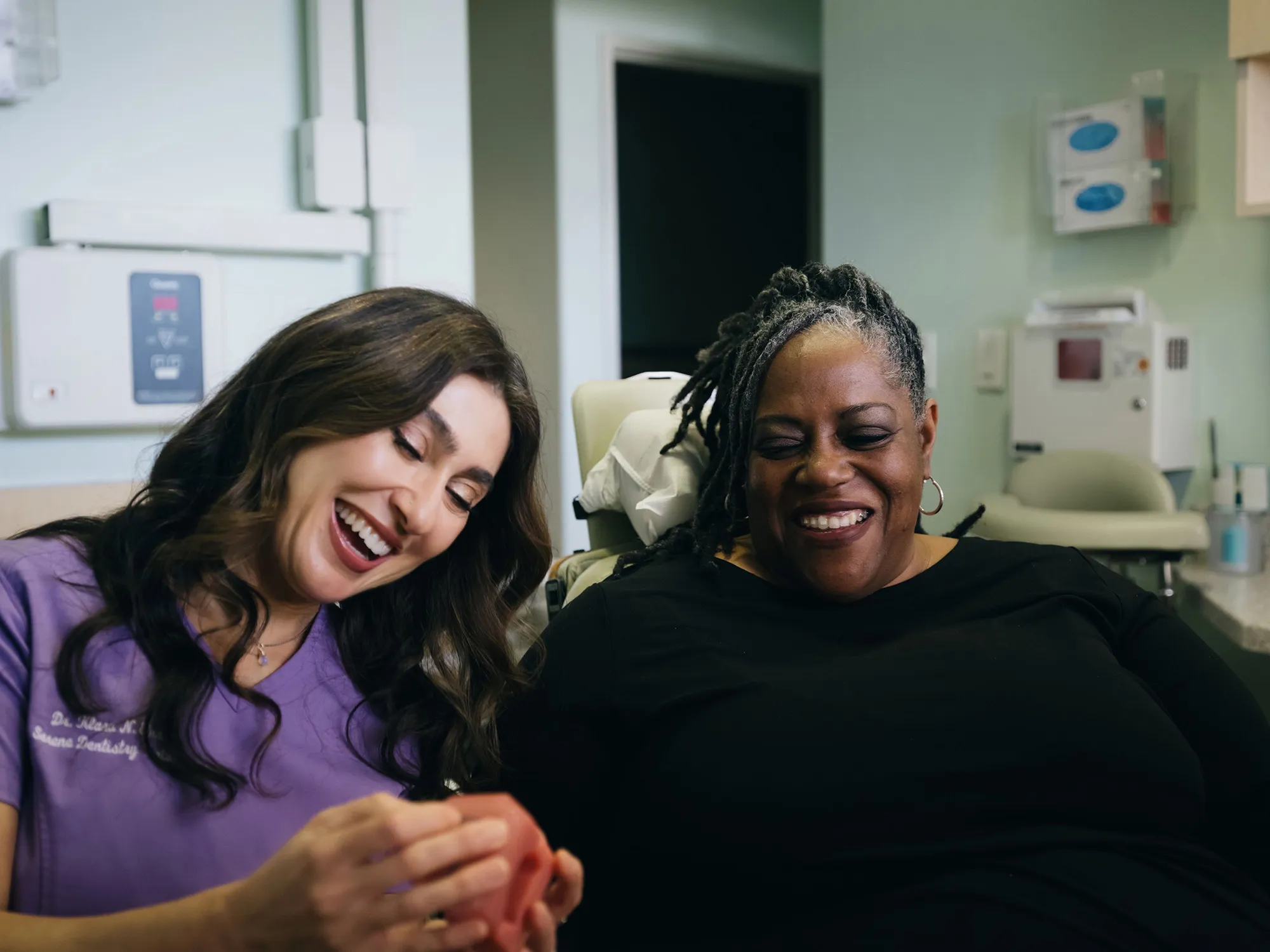
Getting a dental implant is a meaningful step, and once the procedure is done, most people are left with the same question: “Now what?”. Your face could be feeling a little sore, and you may be unsure about what’s normal, or simply needing reassurance that your healing is on track.
Dental implants are designed to become a stable, long-term part of your mouth — the titanium post bonds with your jawbone, so it feels secure and works like a natural tooth. Because healing happens below the surface, the care you provide after surgery plays an important role in how successful that bond becomes.
At Serene Dentistry of Ventura, we believe people heal best when they fully understand what’s happening and what to expect next. This guide walks through what to expect after implant surgery, how to care for the area day by day, and when to reach out if something doesn’t feel right.
Quick Overview
- Early care matters most: The first 24-48 hours influence comfort, swelling, and early healing
- Swelling is normal: It often peaks around days two or three and gradually improves
- Soft foods are essential at first: Gentle chewing protects the implant site
- Healing takes time: Bone integration typically occurs over three to six months
- Watch for warning signs: Increasing pain, infection symptoms, or movement should be addressed promptly
What to Do Immediately After Dental Implant Surgery
Dental implant surgery is typically a carefully planned, restorative procedure. During the appointment, your dentist places a small titanium post into the jawbone where a tooth is missing. In some cases, this is done alongside bone grafting or other supportive treatments. Once the implant is placed, the body begins the process of healing and bonding with it, a process that happens gradually over several months.
Every implant procedure is a little different. The number of implants, whether grafting was needed, and your overall health can all affect how healing feels and how long it takes. Your dentist should always provide instructions tailored to your specific situation.
The guidance below is meant to help you understand what typically happens after implant surgery, but it doesn’t replace personalized medical advice or follow-up care.
The First Two Hours
Right after surgery, your body starts doing important behind-the-scenes work. A blood clot forms around the implant, protecting the area and creating the foundation for healing.
During this time:
- Keep gauze in place with gentle, steady pressure
- Limit talking and avoid checking the area repeatedly
- Take prescribed or recommended pain medication before numbness fully wears off
These first steps help control bleeding and make the rest of the day more comfortable.
The First 24 Hours
The first day is all about protecting the surgical site and giving your body space to recover. The area is sensitive and can be easily disturbed.
You’ll usually be advised to:
- Change gauze as directed until bleeding slows
- Apply ice packs to the outside of the face in short intervals
- Stick to cool or room-temperature liquids
- Rest and keep your head elevated when lying down
Avoid vigorous rinsing, drinking through straws, smoking, or alcohol during this period. These actions can disrupt the blood clot and slow healing.
Days 2-7: Supporting Early Healing
It’s common for swelling to increase slightly during this phase, often peaking around days two or three. This is a normal part of healing.
During this time, you may:
- Switch from ice to warm compresses after the first 24 hours
- Begin gentle saltwater rinses (½ teaspoon of salt in warm water) once or twice daily
- Resume brushing other teeth carefully, staying away from the surgical site
Mild soreness, stiffness, or bruising can occur, especially if bone grafting was involved. These symptoms typically improve gradually over the week.
Weeks 2-4: Gradual Progress
As the gums continue to heal, daily routines usually feel more manageable.
Most people can:
- Introduce soft foods like eggs, pasta, and cooked vegetables
- Begin very gentle brushing near the implant using a soft toothbrush
- Continue saltwater rinses if recommended
The area may still feel slightly unfamiliar, which is normal. Even when discomfort fades, deeper healing is still underway.
Understanding the Healing Timeline
As you can see, healing doesn’t happen all at once. While everyone’s experience is unique, most people move through similar stages:
- Days 1-3: Swelling and tenderness peak, then stabilize
- Week 1: Swelling decreases and comfort improves
- Weeks 2-4: Gum tissue heals and bruising fades
- Months 1-3: Bone integration continues beneath the gums
- Months 3-6: Osseointegration reaches full strength
It’s important to remember that even if everything feels fine on the surface, internal healing is still progressing. This is why implants aren’t immediately placed under full chewing pressure.
Managing Swelling: What’s Normal (and What’s Not)
Swelling is one of the most common things people worry about after implant surgery, and understandably so. Seeing your face look different, even temporarily, can feel unsettling. The good news is that swelling is a normal part of healing and usually follows a very predictable pattern.
Most people experience little to no swelling during the first 12 hours, with a gradual increase over the next one to two days. Noticeable improvement is typically seen by the end of the first week, and full resolution occurs within about 10-14 days.
How much swelling you have depends on several factors, including how complex the procedure was, whether bone grafting was involved, and how your body typically heals. Things like resting, using ice as directed, and keeping your head elevated really do make a difference. If swelling feels excessive, painful, or worsens after the first few days, that’s always worth a check-in.
What to Eat While You’re Healing
Eating after implant surgery doesn’t have to be complicated, but it does require a little patience. Your mouth is healing, and giving it the right fuel (without stressing the surgical site) helps everything move along more smoothly.
During the first few days, stick with foods that are cool, soft, and easy to manage, such as smoothies or protein shakes, yogurt, pudding, or applesauce, and soups that are warm but not hot. As the days pass, you can slowly add scrambled eggs or soft fish, well-cooked vegetables, and pasta or rice.
It’s okay to listen to your body here. If something feels uncomfortable to chew, it’s probably too soon. Once healing is complete, implants are designed to let people eat confidently again. This temporary phase is just part of the process.
Signs Something Isn’t Healing as Expected
Most implant recoveries are straightforward, but knowing what isn’t normal can give you peace of mind.
Reach out to a dental professional if you notice:
- Pain that increases instead of improving
- Swelling that returns after it had started to go down
- A persistent fever
- Thick discharge, a bad taste, or odor near the implant
Catching concerns early often means simpler solutions. You’re never “bothering” a dental team by asking questions; this is exactly what the care we provide is for.
Long-Term Care: Keeping Implants Healthy for Years
Once healing is complete, caring for dental implants feels very familiar, but with a few important nuances.
Daily habits still matter:
- Brushing twice a day
- Cleaning between teeth
- Keeping up with regular dental visits
The only thing that’s different is what you’re protecting with these habits. Implants don’t get cavities, but the gums and bone around them still need attention. Consistent care helps prevent inflammation and keeps the implant stable long term.
When Healed Implants Need Attention
Dental implants have an excellent long-term success rate, but like anything in the body, they benefit from periodic check-ups and monitoring.
Things worth checking out sooner rather than later include:
- Any feeling of movement, as this would point at failed osseointegration
- Ongoing discomfort, tingling or pressure in your lips, chin or tongue
- Bleeding, bad taste, discharge, or swelling around the implant
- Changes in how your bite feels, or difficulty chewing
Regular checkups allow small concerns to be addressed early, in many cases before they become bigger problems. If you notice any of these signs, please contact your dentist’s office as soon as possible.
Continue Your Healing With Personalized Care in Ventura
Healing after dental implant surgery becomes much easier when you have the right support as your body does what it’s designed to do. Some days will feel easy, others slower, and that’s completely normal.
At Serene Dentistry of Ventura, we take a long-term view of implant care. From post-surgical check-ins to ongoing maintenance, our focus is on clear guidance, thoughtful follow-up, and helping people feel ease at every stage of healing. Whether you’re already healing from implant surgery or still exploring your tooth replacement options, we’re here to support your smile well beyond the procedure itself.
If you’d like personalized guidance or continued care, we invite you to schedule a visit and talk with our team about what your healing journey should look like moving forward.
We can’t wait
to meet you
Call (805) 653-1599 or book your appointment through the link below. We’ll see you soon.